
By Gatekeeper · · Updated
Must Know Facts About Access Control Systems
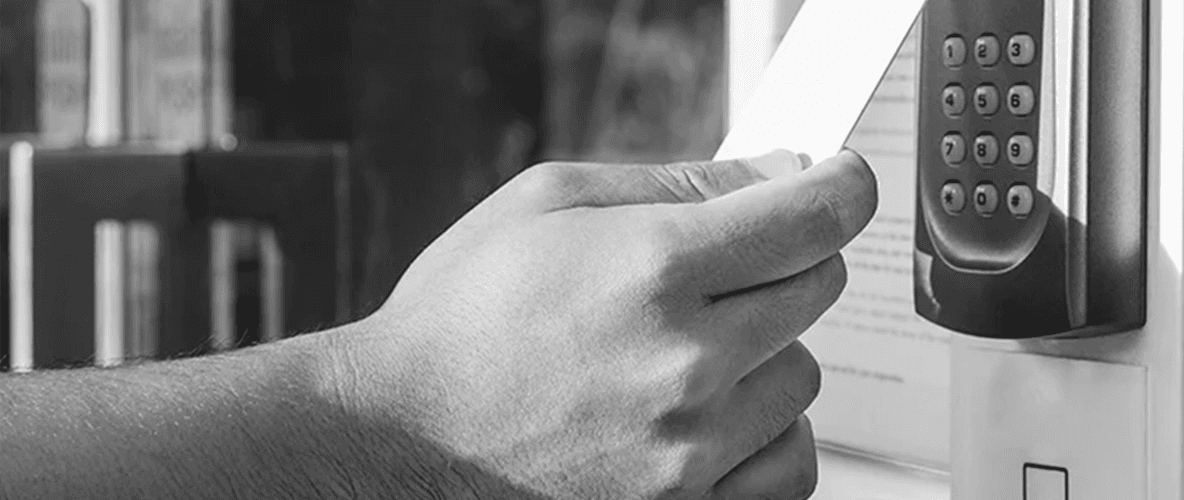
Access-control systems regulate entry to a property or restricted area. Learn how permissions, compatible equipment and event records can support a practical access plan.
An access-control system regulates who may enter a property, facility or restricted area. The appropriate system depends on the access point, the people who need permission and the records the property needs to retain.
At a home, access control may manage entry through a compatible gate or door. At a business, it may restrict entry according to defined permissions and, where the chosen system supports it, retain event records for review.
10 practical facts about access control
1. The credential and the access point are separate. A phone number, remote, card, PIN or biometric template may identify a user, while the connected gate, door or lock physically controls entry.
2. Compatibility must be checked. A controller has to work with the gate motor, door hardware, power supply and other equipment at the site.
3. Permissions need an owner. A person or defined team should be responsible for adding, changing and removing authorised users.
4. Temporary access should expire. Contractors, visitors and short-term staff should receive only the access period they need when the chosen system supports scheduling.
5. A lost credential needs a response. The property should have a procedure for disabling or replacing a lost remote, card, phone or other credential.
6. Event records vary by system. Some products retain access activity, but the events recorded, their accuracy and their retention period must be confirmed with the provider.
7. Integration is not automatic. Compatibility with cameras, alarms, intercoms or visitor-management systems should be established for the exact products involved.
8. Backup arrangements matter. The property needs a safe procedure for power, network and equipment failures, including emergency access.
9. Access control still needs maintenance. Gates, controllers, batteries, wiring and user permissions should be checked according to the relevant provider's guidance.
10. No access method removes every risk. Physical security, visitor procedures, lighting and incident response remain important alongside electronic access control.
Gatekeeper is a cellular access-control option for compatible gates and garage doors. It uses authorised phone numbers and supports access scheduling through its management tools. See the Gatekeeper FAQ for published product details.