
September 11, 2024
The Most Overlooked Areas in Residential Security Planning
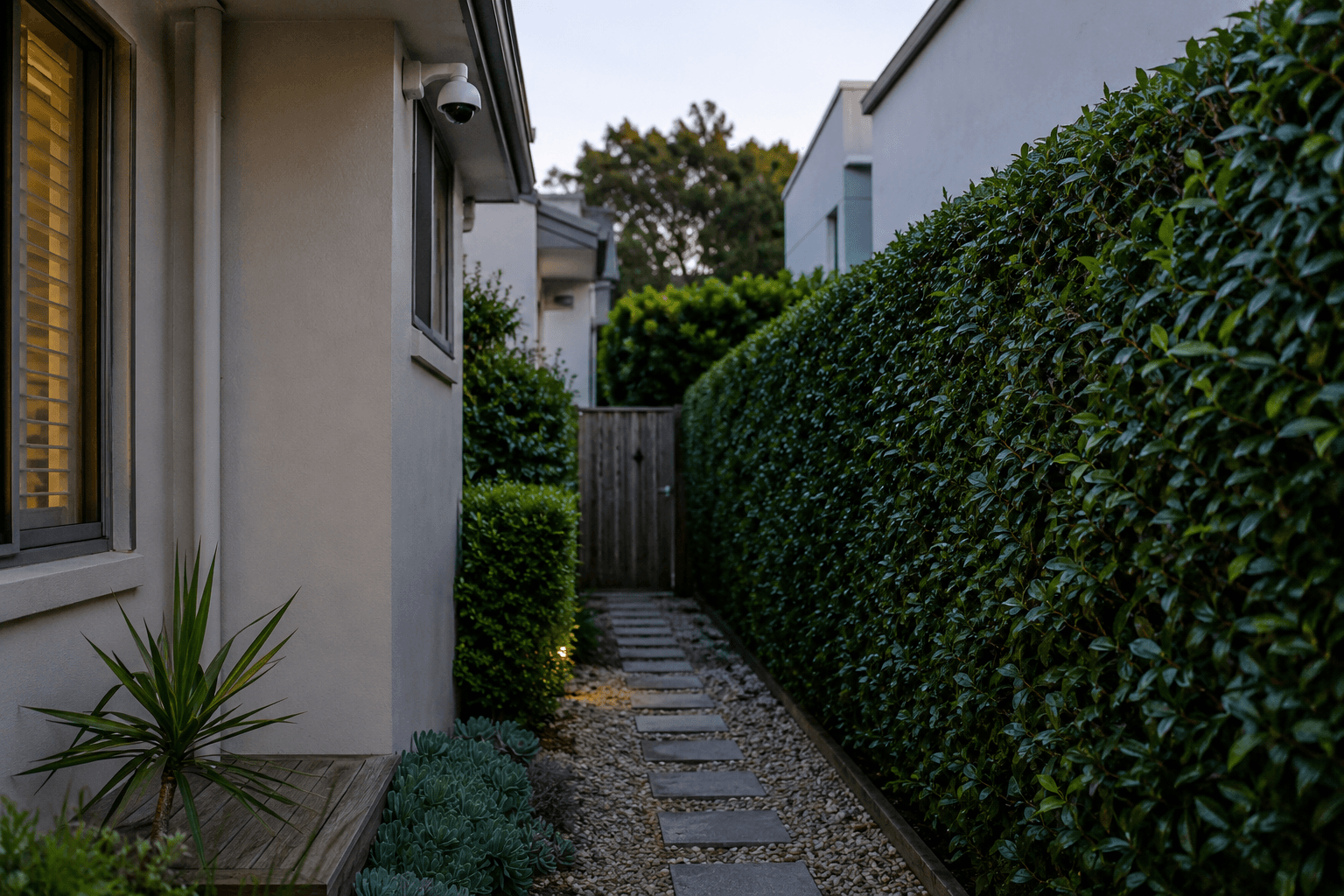
Many security plans focus on gates and cameras, but small oversights often create the biggest vulnerabilities. Learn which areas to check and how to fix them.
Well-designed security plans often miss easy-to-fix gaps. By September 2024, experienced security teams know that the difference between a secure estate and a vulnerable one is attention to detail. This guide highlights commonly overlooked areas and practical steps to close them.
1. Perimeter lighting and sightlines
Poor lighting creates hiding spots and blind zones for cameras. Check for:
- dark corners near gates, driveways, and walkways
- overgrown shrubs blocking camera views
- inconsistent lighting that creates deep shadows
Solution: install consistent, motion-aware lighting and trim landscaping to restore sightlines.
2. Gate and fence hardware
Gates and fences fail when hardware is neglected. Loose bolts, worn locks, and uncalibrated automatic openers all reduce protection.
Solution: schedule regular mechanical inspections and replace worn parts before they fail.
3. Delivery and service entrances
Deliveries and maintenance entrances are routine yet risky. Contractors and couriers often require access, creating repeat opportunities for misuse.
Solution: use pre-approval systems, time-limited credentials, and clear check-in procedures for visitors.
4. Garages, sheds and outbuildings
These secondary structures contain tools and goods criminals want. They’re also frequently left unsecured.
Solution: treat outbuildings as part of the main security perimeter. Lock them, monitor access, and audit keys/remotes.
5. Internal gates and pedestrian routes
Residents may think interior gates are low risk and leave them open. Internal circulation paths can enable quick, unnoticed movement across a property.
Solution: enforce closures for internal gates, and add sensors or cameras where necessary.
6. Shared remotes and weak credential practices
Shared or copied remotes, unchanged PINs, and reused passwords are a major source of breaches.
Solution: adopt mobile credentials, rotate PINs, and limit sharing through policy and technical controls.
7. Landscaping that creates concealment
Beautiful gardens can also provide cover for intrusion. Tall hedges and dense foliage near entry points are a common blind spot.
Solution: use defensive landscaping with low, thorny, or trimmed plants near access points, and maintain clear sightlines.
8. Poorly defined incident reporting paths
When residents don’t know how or where to report suspicious activity, incidents are delayed or never reported.
Solution: provide clear reporting channels, simple templates for incident details, and reminders about when to call security.
9. Neglected software and firmware updates
Hardware is one side; software is the other. Unpatched devices can be exploited remotely.
Solution: maintain an update schedule for cameras, controllers, and access systems, and monitor vendor advisories.
10. Incomplete handover and contractor management
When contractors leave without surrendering passes or remotes, access persists.
Solution: require credential return, time-limited access, and centralised logging that links visits to personnel.
Final checklist
- inspect lighting and sightlines monthly
- audit remotes, PINs and mobile credentials quarterly
- run a contractor access review after every project
- schedule hardware maintenance for gates and locks
- distribute a one-page reporting guide to residents
Small, repeatable checks turn overlooked areas into strengths.