
January 15, 2024
The Hidden Risks of Shared Gate Remotes
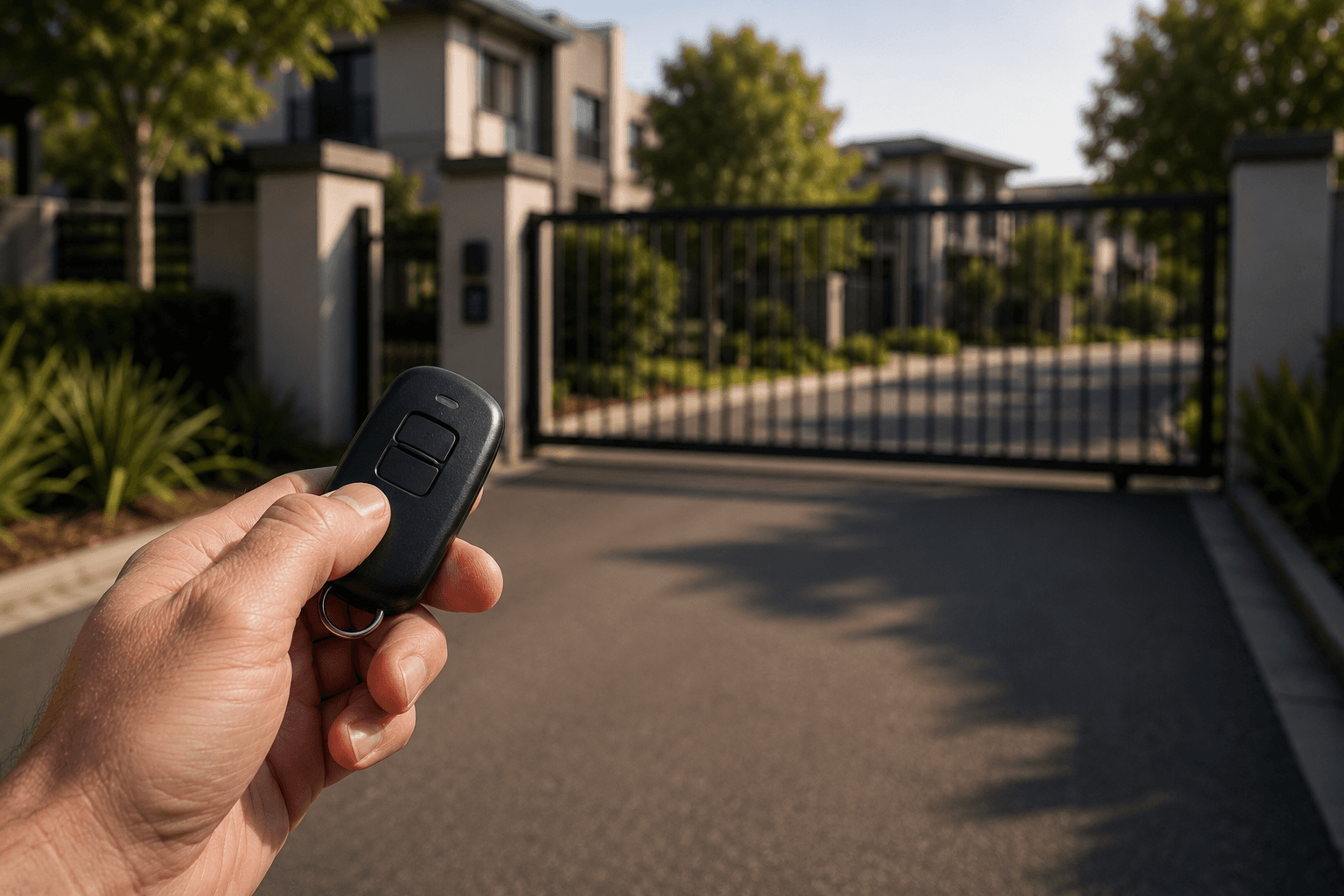
Shared gate remotes may seem convenient, but they can create serious security, accountability, and operational issues for estates and complexes.
Shared gate remotes are often treated as a simple convenience, especially in estates, complexes, and managed properties. They can make entry feel easy for residents, staff, and contractors, but they also carry risks that are easy to overlook.
What appears to be a practical shortcut can quickly become a security problem when access is no longer controlled, tracked, or clearly assigned.
Why shared remotes seem attractive
Shared remotes are popular because they reduce the need for multiple devices, simplify access for multiple users, and can feel cheaper in the short term. In some properties, they are also used as a temporary solution for workers, guests, or visiting family members.
The main appeal is convenience. A single remote can open a gate, garage, or access point without needing a dedicated device for every person.
The hidden security risks
The problem is that shared remotes make it difficult to know who used them, when they were used, and why. Once a remote is shared, the property loses a clear chain of accountability.
This can lead to:
- unauthorised use if a remote is passed around or copied
- uncertainty about who accessed the premises
- poor records during disputes or incidents
- higher risk when staff, contractors, or temporary users change frequently
Once an access point depends on shared devices, security becomes harder to verify and easier to abuse.
Loss of accountability
A secure access system should make it possible to link each entry to a person or approved user. Shared remotes weaken that link.
If a resident suspects someone entered without permission, or if an incident happens on site, a shared remote gives little useful evidence. That makes investigations slower, less reliable, and more stressful for management.
Operational inefficiencies
Shared remotes also create practical admin problems. Managers must track who has the device, when it was handed out, and when it should be returned. Lost remotes become a recurring issue, and replacing them can create further delays.
As the number of users grows, remote control becomes harder to manage. The system becomes less efficient even before security concerns are considered.
Better alternatives
Most estates are better off moving toward individual access credentials, app-based entry, or managed temporary access permissions. These options give property teams more control while keeping access simple for residents.
A more secure approach allows managers to:
- issue access to specific users
- revoke access instantly when needed
- track entry logs and review activity
- provide temporary access without handing over a physical remote
This improves both security and day-to-day operations.
The real cost of convenience
Shared gate remotes may seem harmless, but they often trade short-term convenience for long-term risk. In an environment where accountability matters, convenience without control can become a weakness.
For many properties, the smart move is to replace shared physical access with controlled, user-specific systems that are easier to manage and easier to trust.