
March 15, 2024
How Estates Can Prepare for Smarter Security Technology
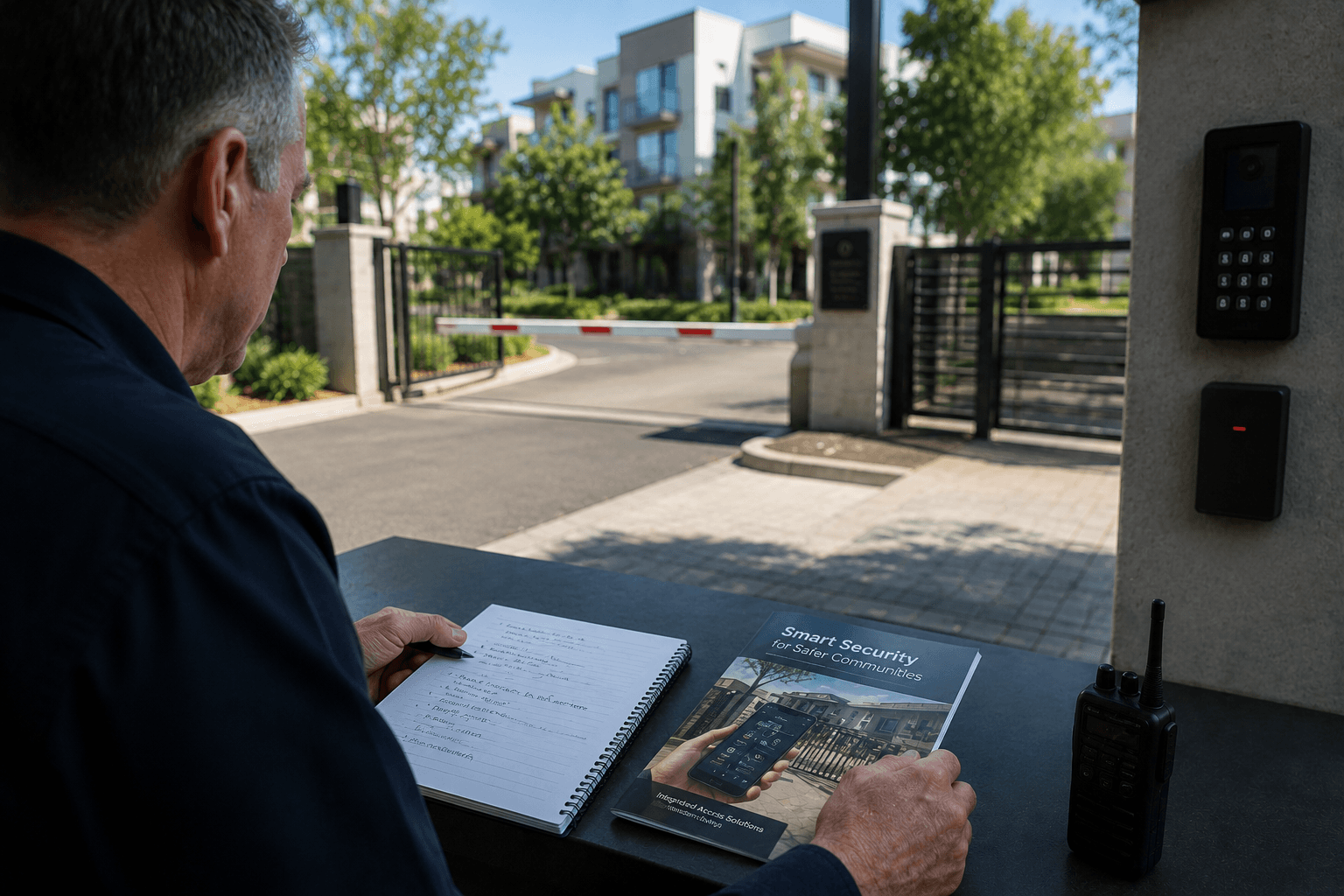
Estates that plan ahead for smarter security technology can improve control, reduce operational friction, and make upgrades easier as new systems and integrations arrive.
Smart security technology is changing fast, and estates that plan ahead are in a better position to adopt it successfully. The goal is not just to install newer devices, but to build a security setup that can grow, integrate, and stay manageable over time.
For many property managers, the challenge is not deciding whether technology will matter. It is deciding how to prepare without creating disruption, unnecessary cost, or complexity for residents.
Start with clear security goals
Before upgrading systems, estates should identify what they want the technology to achieve. Common goals include:
- better resident convenience
- stronger visitor controls
- improved oversight of access logs
- faster response to incidents
- easier management for staff and body corporates
Clear goals help narrow choices and prevent expensive upgrades that do not support daily operations.
Audit the current setup
A smart upgrade works best when the current environment is understood first. Estates should review:
- gate motors and access hardware
- intercoms and communication systems
- current access control methods
- how visitors and contractors are managed
- how often systems need maintenance
This audit helps identify what can be integrated, what needs replacing, and where the biggest gaps are.
Prioritise interoperability
New security technology is most useful when it works alongside existing systems. Estates should look for solutions that can integrate with current gate motors, entry systems, and management workflows.
This reduces the risk of creating disconnected tools that add complexity instead of improving control. Interoperability is especially important for growing estates that need flexible upgrades over time.
Build a phased rollout plan
Trying to replace everything at once can create disruption and budget strain. A phased approach is usually more practical.
A smart rollout might begin with:
- smartphone access for residents
- better visitor management tools
- centralised access reporting
- camera or monitoring improvements in high-traffic areas
This allows estates to introduce new capabilities gradually while learning what works best for their residents.
Prepare staff and residents for change
Smart technology only delivers value when people know how to use it. Staff need training, residents need clear instructions, and body corporates need a simple communication plan.
Without preparation, even strong technology can be underused. Property teams should build change management into the upgrade process from the beginning.
Think about long-term maintenance
Technology planning should include support, updates, and ongoing maintenance. Estates should consider who will manage the system, how issues will be reported, and how often the platform or devices need review.
Long-term maintenance is where many upgrades either succeed or fall behind. A system that is difficult to support often loses value quickly.
Focus on practical improvements
The most successful security upgrades are not always the most advanced. They are the ones that solve real operational problems in a way that residents can understand and adopt.
Properties that focus on practical benefits, including faster visitor handling, clearer access control, and easier oversight, are more likely to see lasting value from smart security technology.
Smarter technology starts with better planning
Preparing for smarter security technology means thinking beyond the hardware. Estates need strategy, integration, staff readiness, and resident communication.
When those elements are in place, new technology becomes easier to adopt and easier to manage. That is what turns security upgrades into long-term improvements rather than temporary changes.